
Non-Emergency Medical Transport
Transition of Care from Hospital to Home
How Patient Care Transition Work
The transition from hospital to hospice care often begins with mutual agreement between the patient’s primary care physician, the patients, and their families about hospice care. This involves introducing the benefits of hospice for end-of-life care, which emphasizes quality of life, symptom management, comfort, and emotional support for individuals suffering from chronic illnesses.

When a patient transitions from the hospital to hospice care, the medical assessment and evaluation include a thorough examination of the patient’s health status, requirements, and preferences. The medical assessment and evaluation before transfer includes:
- Comprehensive assessment of the elderly patient’s general health
- Evaluation of pain and other symptoms
- Emotional well-being, spiritual or psychological issues of the patient
- Assessment of the patient’s ability to receive hospice care at home

The patient’s transfer from the hospital to their home is arranged in a safe and comfortable way. Plans will be made with medical transportation providers or non-emergency services to assist with patient transportation.
It is typically encouraged for family members or caregivers to travel with the patient in hospice care, together with the hospice team.
This can provide emotional support to the patient and help in the transition process. The hospice care team facilitates a seamless transition from hospital to the patient’s home.

For comfort and safety measures, the hospice care team will perform a pre-transition monitoring of the patient’s home environment for fall prevention. The hospice team prepares the medical equipment and supplies in the patient’s home.
Proper education and training to the family members and caregivers about the hospice care plan for the patient’s comfort and safety will be provided by the hospice care team, including emergency preparedness and how to address common issues.
The hospice team ensures 24-hour support availability and regular home visits to actively monitor and handle concerns or emergencies to avoid unnecessary hospital transfers.

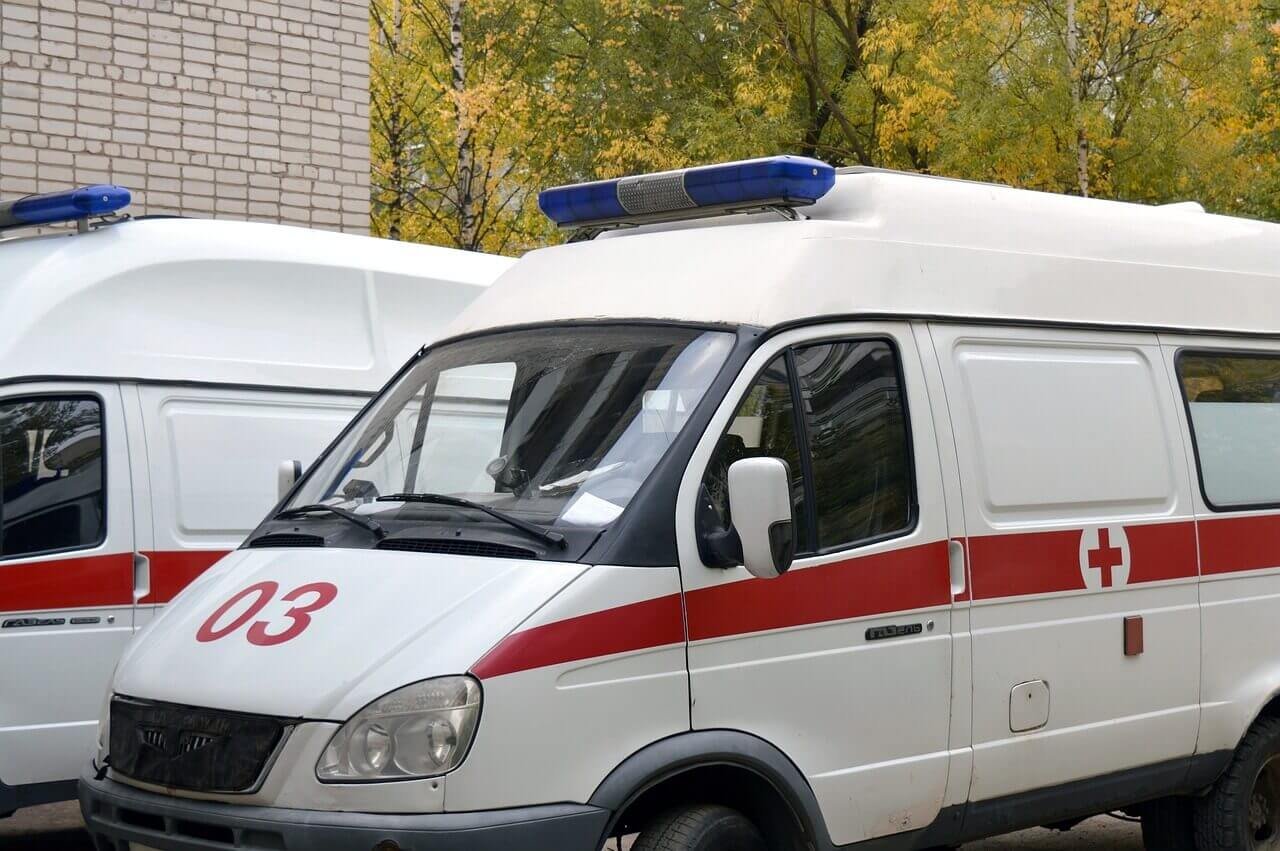


medical transportation services
Eligibility For Medical Transport from Hospital to Home Care
The hospice team, along with hospital health professionals, often determines eligibility for medical transport. The key factors that determine if a patient qualifies for hospice care transfer from the hospital are the patient’s prognosis and medical condition such as:
- Diagnosed with a terminal illness or condition
- Medical prognosis of no more than six months
- Medical treatments intended to treat the patient’s illness are no longer effective or working
- Patient’s who are approaching the end of their lives, who desires comfort-focused care rather than curative treatment
When should the transition from hospital to home hospice care be considered
When curative treatments are no longer effective for a patient’s disease, the transition from inpatient to home hospice should be considered. Generally, the patient, their loved ones, and any medical professionals involved in the patient’s care, such as hospital staff or a primary care physician, work together to make this decision.
Non-Emergency Medical Transport
Sincere Hospice is medicare-covered hospice care provider in California. We also accept almost all insurance plans. Call us at (657) 255-8657 to verify your insurance.







What Our Patients Has To Say About Us
Testimonials From Those Who’ve Entrusted Us with Their Patient Care

Post-Medical Transport Care
Hospice at home post-medical transfer care is a collaborative effort between the hospice care team, caregivers, and family members. The following are the essential components of home hospice post-medical transfer care:
- Review of the care plan and make any adjustment if needed
- Making sure that the patient is comfortable and oriented after the transfer by adjusting the temperature of the space, or arranging familiar objects and many more.
- The hospice care team is introduced to family members.
- Assistance with daily activities and personal care if needed
- The hospice team ensures that all necessary materials and equipment are available and that family members and caregivers receive the appropriate training.
- 24/7 accessible hospice care assistance
Continuity of Care: Smooth Transitions from Hospital to Home Hospice Care
Dedicated hospice care that provides medical transportation for care transitioning from hospital to home. Our services are available in LA County, San Bernardino County, Riverside County, and Orange County California. Our team ensures personalized and dignified care for you and your loved ones during their end-of-life journey.
Get Free Consultation